Alcohol Sales Hours in Thailand (Updated Rules)
Legal alcohol sales hours in shops: 11:00 AM – 12:00 AM (midnight)
Starting this week, Thailand officially abolished the long-standing ban on alcohol sales in the afternoon. Previously, alcohol could not be sold between 2:00 PM and 5:00 PM, a rule that confused many travelers.
Now, popular convenience stores such as 7-Eleven and Tops are legally allowed to sell alcohol from 11:00 AM until midnight.
Legal Drinking Age and ID Checks
- The minimum legal age to purchase alcohol in Thailand is 20.
- Shops and bars are required to check ID—even for tourists.
What happens if alcohol is sold outside legal hours?
- Buyers are not punished under Thai law
- Sellers may face:
A fine of up to 10,000 THB
Up to 6 months in prison for repeated violations
While some shops and bars still sell alcohol outside legal hours, this remains a risk for the seller—not the customer.
Alcohol Ban on Buddhist Holidays: Important Changes from 2025
Thailand continues to enforce alcohol bans on five major Buddhist holidays, but starting in 2025, the rule is no longer universal.
Where alcohol sales ARE allowed on Buddhist holidays:
- Entertainment zones (e.g. Bangla Road)
- Bars and restaurants inside hotels
- Shops in international airports
Where alcohol sales are still banned:
- Convenience stores such as 7-Eleven
- Regular retail shops outside approved zones
Buddhist holidays with alcohol restrictions:
- Makha Bucha – March 3, 2026
- Visakha Bucha – May 31, 2026
- Asanha Bucha – July 29, 2026
- Khao Phansa – July 30, 2026
- Wan Ok Phansa – October 26, 2026
These dates are crucial for tourists planning holidays, nightlife, or events in Thailand.
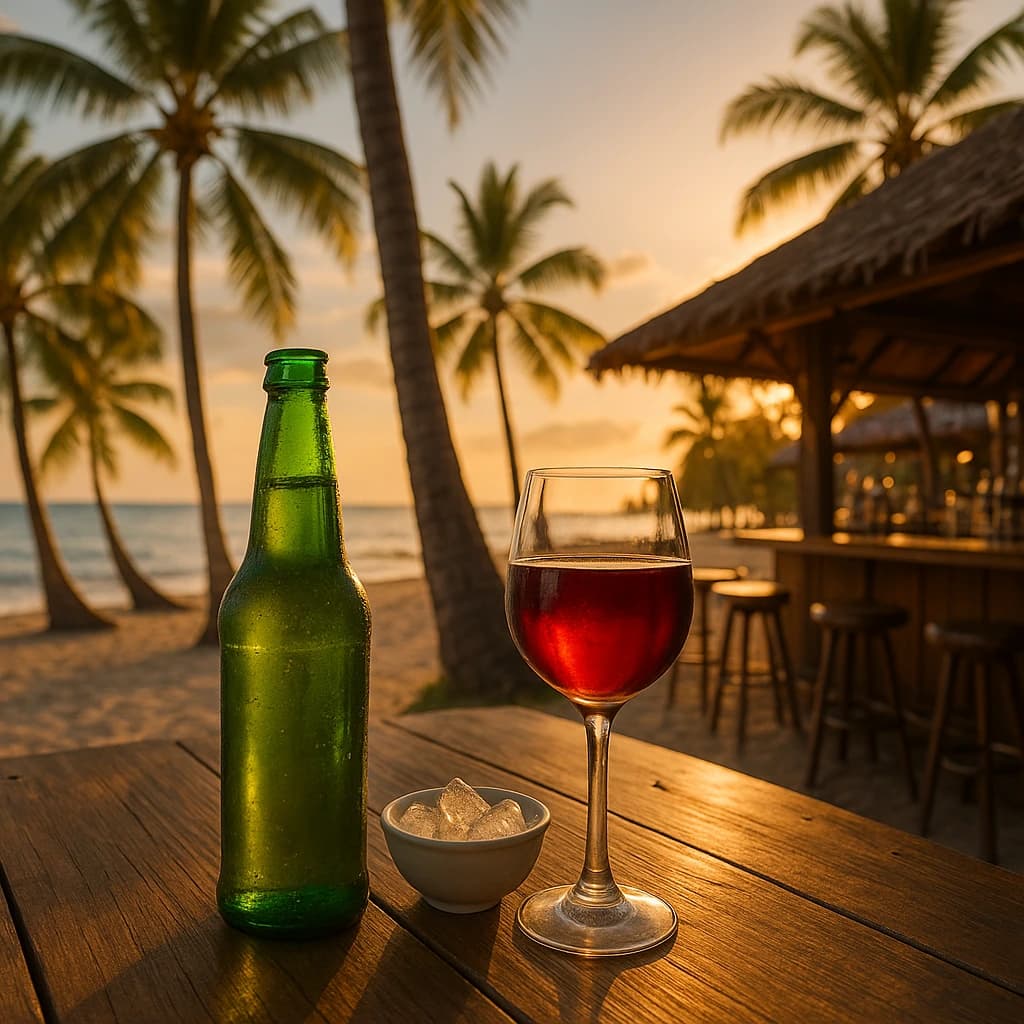
Strict Alcohol Ban During Election Days in Thailand
Thailand enforces a strict nationwide alcohol ban during elections, reflecting the country’s long political history and emphasis on sober voting.
How the election alcohol ban works:
- Begins at 6:00 PM the day before voting
- Ends after polls close on election day
- Applies to sales only, not possession
Types of elections affected:
- National elections
Early parliamentary elections are expected in 2026, though the exact date is not yet confirmed
- Early parliamentary elections are expected in 2026, though the exact date is not yet confirmed
- Local elections
Restrictions may apply to specific provinces, districts, or even streets
Example: Rawai will observe a dry law on December 22–23
- Restrictions may apply to specific provinces, districts, or even streets
Where to Buy Alcohol in Phuket (and Beyond)
Popular places to buy alcohol include:
- 7-Eleven
- Tesco Lotus
- Big C
- Central Festival
- Duty-free shops at the airport
Average Prices:
- Beer: 60–150 THB
- Wine: From 400 THB
- Spirits: From 800 THB (depends on brand and size)
Storage Tip: Keep alcohol in a cool place. A mini-fridge or cool bag with ice can help during Thailand’s hot weather.
Avoid buying alcohol from beach vendors—it’s illegal and often low quality.
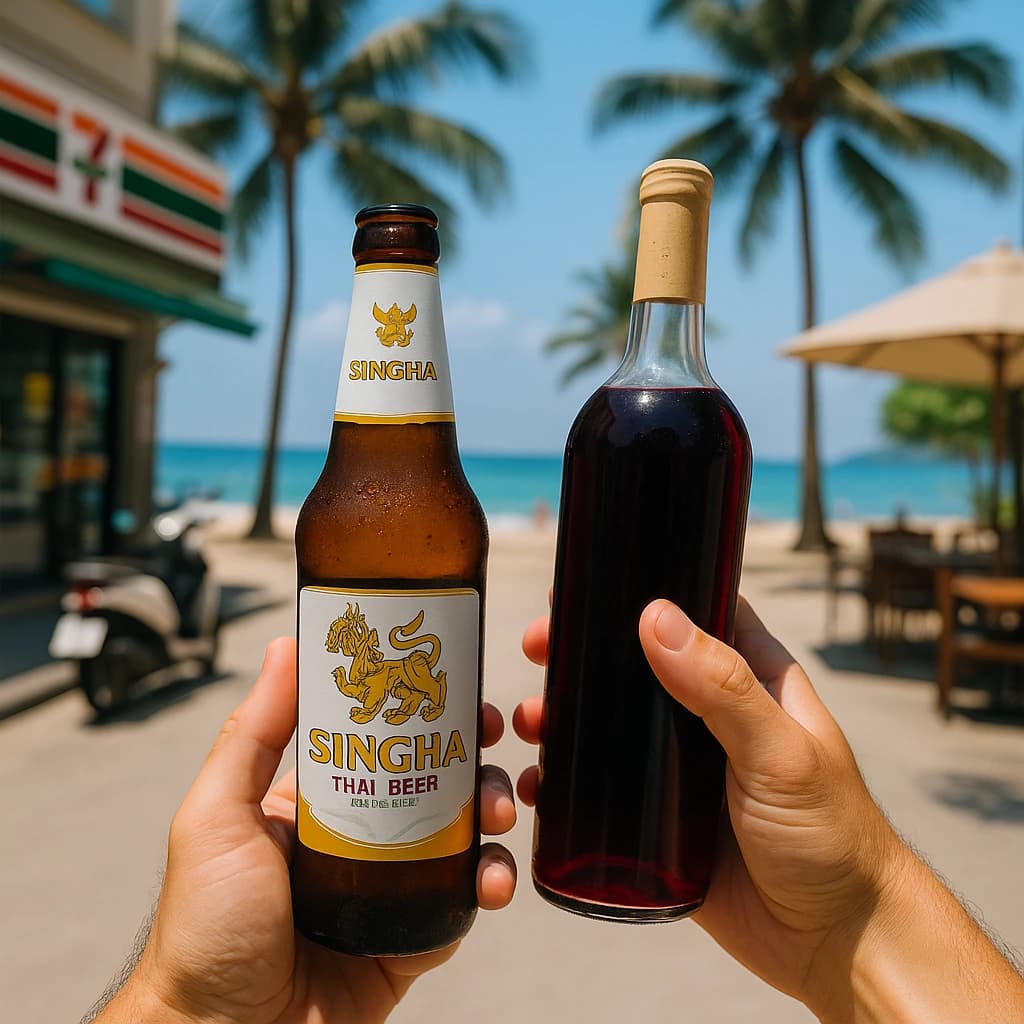
Alcohol Law in Thailand: Selling vs. Buying Explained
⚠️ Key legal point:
Thai law penalizes selling alcohol illegally, not buying it.
What this means in practice:
- You cannot be fined for buying alcohol during restricted hours
- There is no penalty for possession
- Sellers face fines and possible jail time
Can tourists be fined for drinking alcohol?
- Yes, but only under public drinking laws, not alcohol sales laws
- Drinking alcohol in prohibited public places can still result in fines
Final Thoughts
By respecting Thailand’s updated alcohol laws in 2025, you can avoid fines and focus on enjoying your trip. Whether you're partying in Phuket, exploring temples in Chiang Mai, or enjoying rooftop bars in Bangkok—knowing the rules means a safer, stress-free holiday.
Thailand’s updated alcohol regulations are more tourist-friendly than before, especially during the high season. However, rules still vary depending on location, holidays, and election periods.
If you want to avoid trouble:
- Buy alcohol within legal hours
- Be cautious on Buddhist holidays
- Avoid public drinking in restricted areas
- Remember: the risk is on the seller, not the buyer











.webp&w=1480&q=75 "3 Khai Islands by Speedboat")